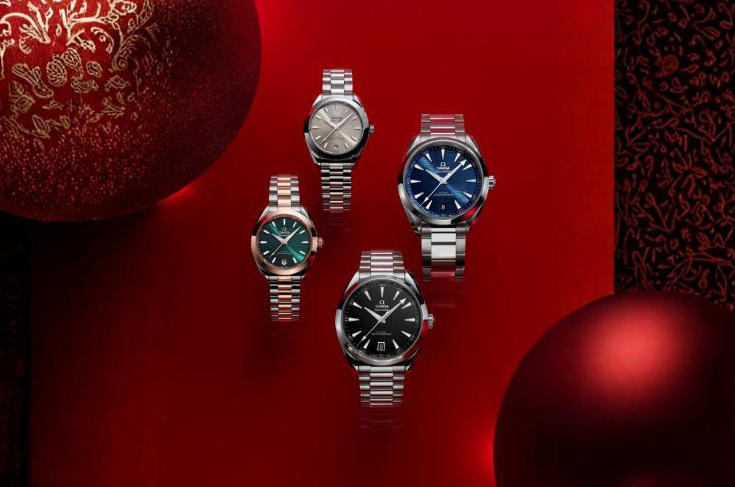
Choosing an Omega as a gift becomes much easier once you stop looking at the brand name and start looking at how the watch will actually be worn. The eight models in this selection cover very different parts of the Omega catalogue, from the relaxed versatility of the Aqua Terra to the more technical character of the Speedmaster and the quieter formality of the De Ville.
That difference matters because these watches are not interchangeable. A blue Aqua Terra and a Reverse Panda Speedmaster may sit at similar levels of recognition, but they create very different impressions on the wrist. The same is true of a compact Constellation compared with a 40mm De Ville. Case diameter, dial density, bracelet construction and colour make a bigger difference in daily wear than the collection name alone suggests.
OmegaAwards looks at these details from the perspective of an independent site focused on Omega replica watches. For that reason, the important question is not simply whether a replica carries the right logo or colour. It is whether the proportions that define the original design have been preserved. On relatively clean watches such as the Aqua Terra and De Ville, even a small error in marker size, case thickness or bracelet shape can change the entire character of the watch.
Aqua Terra and Constellation Show How Much Proportion Changes a Watch
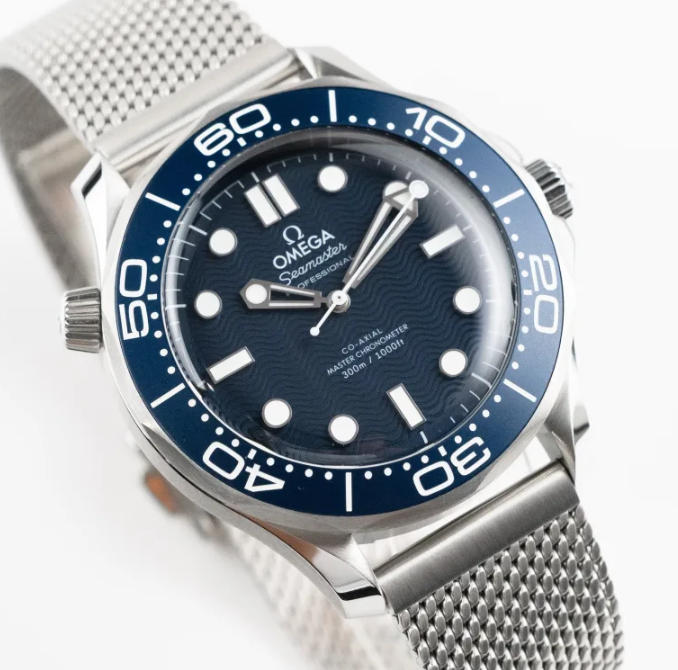
The blue Seamaster Aqua Terra is the most straightforward everyday choice in this group. Its appeal comes from balance rather than drama. The case has enough polish to work with smarter clothing, but the watch never becomes a formal dress piece. The blue dial adds colour without making the watch difficult to wear, while the simple hour-marker layout keeps the face legible and relatively calm.
This is exactly why the Aqua Terra is less forgiving than it first appears. A visually busy diving watch can hide small proportional differences among bezels, markers and hands. The Aqua Terra cannot. On an Omega Seamaster Aqua Terra replica with a blue textured dial, the length of the hands, width of the markers and position of the date window all need to work together. If one of those elements is too large or too close to the edge of the dial, the watch immediately loses the restrained appearance that makes the original convincing.
The smaller green Aqua Terra demonstrates how much the same basic design can change with size and material. In a more compact case, the dial occupies less visual space and the bracelet becomes a more noticeable part of the overall design. Green also changes the mood completely. Instead of the cool, versatile feel of the blue version, the smaller watch feels richer and more decorative.
That is worth remembering when comparing replica versions. Reducing a case diameter is not enough to recreate the smaller model. The relationship between the dial, bezel and bracelet must also change. A bracelet that looks correctly proportioned on a larger Aqua Terra can appear too heavy when carried over to a smaller case.
The Constellation takes this idea even further. Its identity depends heavily on the shape of the case, the familiar claws around the bezel and the way the bracelet meets the case. Those details are more important than the dial colour itself.
The pastel version works because the smaller dimensions prevent the decorative elements from becoming excessive. The softer dial colour and polished surfaces give it a jewellery-like character without removing the recognisable Constellation structure underneath.
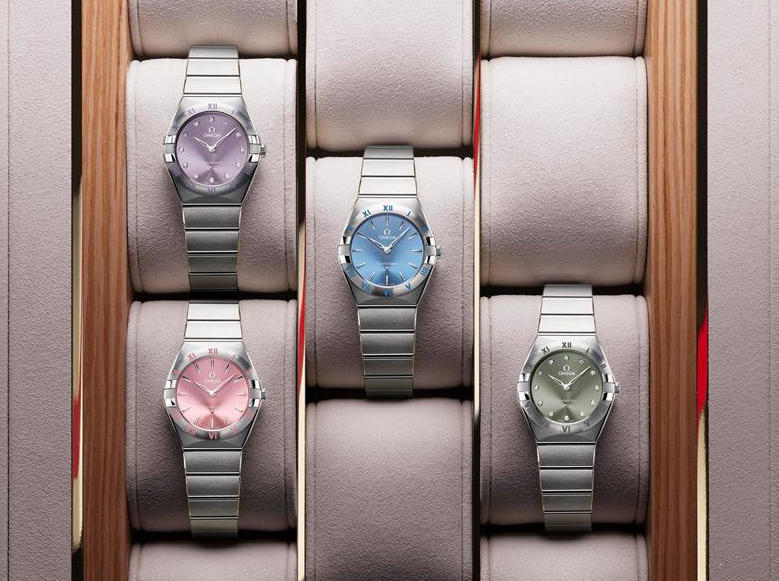
For anyone comparing Omega Constellation replica watches with compact case proportions, the claws are one of the first areas worth checking. If they sit too far from the case, look too thick or fail to align naturally with the bezel, the entire watch can feel wrong even when the dial is reasonably accurate.
The more traditional gold-toned Constellation Observatory is different again. Its attraction lies less in colour and more in the history and formal character of the collection. It is a watch that makes sense for someone who prefers a recognisable Omega design without the stronger sporting associations of the Seamaster or Speedmaster.
Placed next to each other, the Aqua Terra and Constellation show why choosing by collection name alone is rarely enough. The blue Aqua Terra is driven by everyday versatility. The smaller green version is more decorative. The pastel Constellation places greater emphasis on shape and finishing, while the Observatory version feels more traditional. Those differences are substantial even before movement or specification is considered.
Speedmaster and De Ville Sit at Opposite Ends of the Same Catalogue
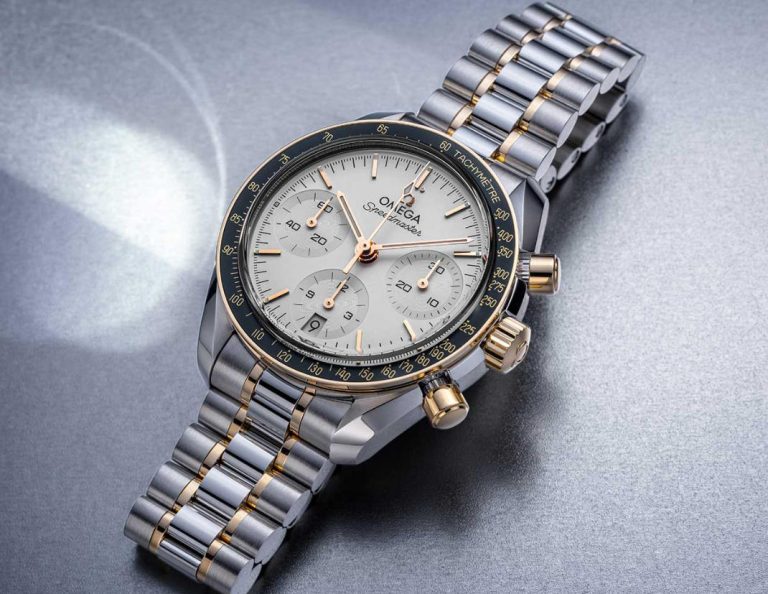
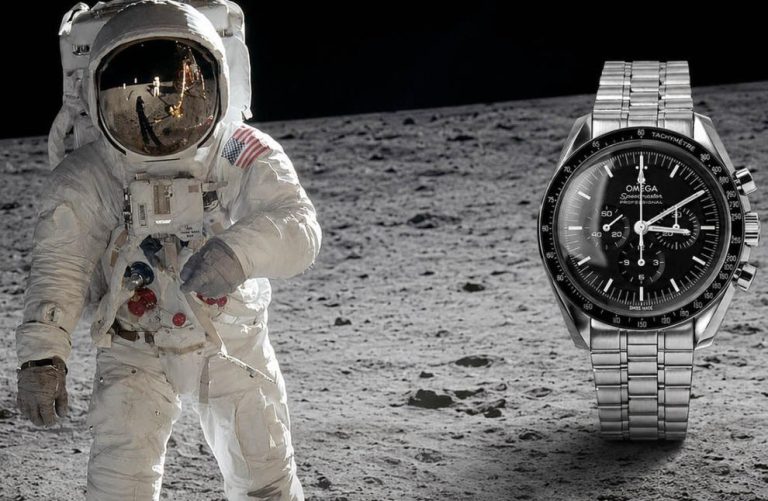
The Speedmaster 38 in cappuccino is probably the model here that benefits most from being seen on the wrist rather than judged from specifications. Its smaller diameter changes the familiar Speedmaster formula without making the watch feel miniature. The warmer dial tones also remove some of the stark tool-watch character normally associated with the Moonwatch.
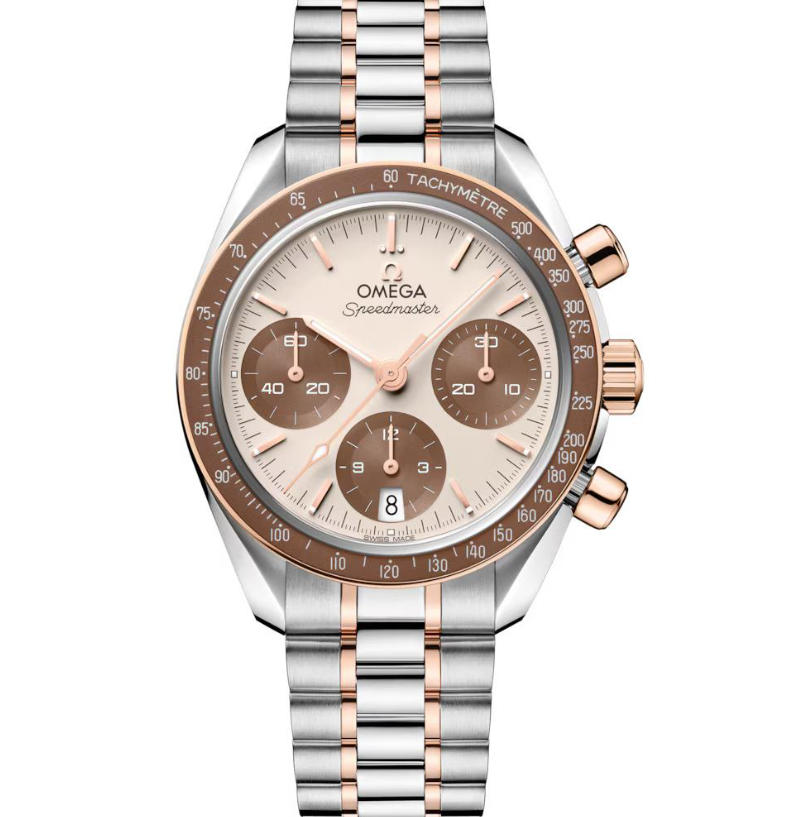
The important point is that a smaller Speedmaster cannot simply use a reduced version of a larger dial. Chronographs are especially sensitive to spacing. The three registers, central hands, hour markers and bezel all compete for limited space, and a small change in one area affects the balance of everything around it.
A convincing Omega Speedmaster 38 replica with correctly spaced chronograph registers therefore needs more than the right colour combination. The subdials should sit naturally within the dial rather than appearing pushed toward the centre or the edge, while the bezel must remain wide enough to frame the dial without dominating the case.
The Reverse Panda Speedmaster makes these differences even easier to see. Strong contrast between the main dial and the lighter registers draws the eye directly toward the chronograph layout. That gives the watch much more visual energy than the cappuccino version, but it also makes poor proportions harder to hide.
On an Omega Speedmaster Reverse Panda replica with balanced subdial proportions, the registers should feel integrated into the dial rather than printed on top of it. Their diameter, spacing and contrast need to match the surrounding markers. If the subdials are slightly oversized, the watch quickly starts to look crowded.
This is why the two Speedmasters suit very different tastes despite sharing the same basic chronograph identity. The 38 is softer, smaller and easier to wear quietly. The Reverse Panda is deliberately more graphic and works better for someone who wants the chronograph layout to be one of the first things people notice.
The De Ville Prestige models move in the opposite direction. They rely on simplicity, which sounds easier to reproduce but often is not. On a dress watch there are fewer distractions, so finishing and proportion become more exposed.
The burgundy De Ville is the more expressive version. Its warmer colour palette gives the watch personality without relying on a large case or complicated dial. What keeps the design convincing is the restraint of the basic case shape and the relatively clean relationship between dial and bezel.
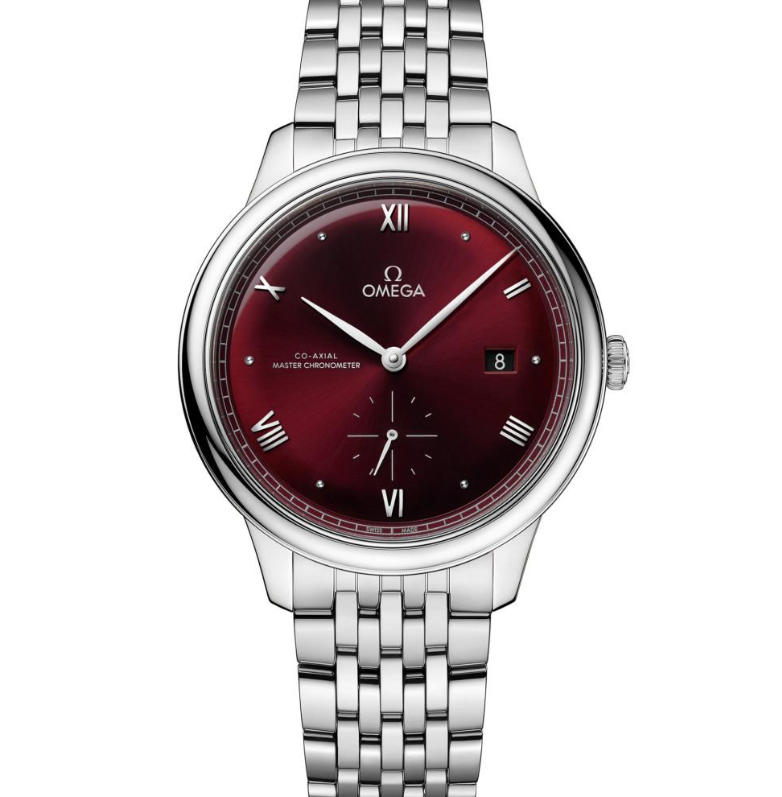
This type of watch can look wrong very quickly if the colour is too saturated or the polished surfaces are too bright. A De Ville replica with understated burgundy dress styling should look refined rather than glossy. The case, dial and strap need to feel like parts of the same watch rather than three separate decorative elements.
The silver De Ville is quieter and arguably more useful. Without a strong dial colour to carry the design, the quality of the proportions becomes even more obvious. The spacing of the markers, thickness of the hands and amount of empty space on the dial determine whether the watch looks elegant or simply plain.
That makes it one of the better choices for someone who does not want a sports watch. It can sit naturally with office clothing or a jacket without looking like it was chosen specifically for a formal event.
Looking at the eight watches together, the Aqua Terra remains the easiest all-round choice because it balances sport and everyday wear without leaning too far in either direction. The Speedmaster models have more personality but require a stronger preference for chronographs. The Constellations depend more heavily on case shape and decorative finishing, while the De Ville models are the most traditional and restrained.
For replica buyers, these differences are more useful than factory names or broad quality claims. Before comparing movements or advertised grades, it is worth checking whether the case diameter, dial layout, bracelet width and overall thickness make sense for the reference being copied. Our Omega replica watch buying advice covers these points in more detail.
A good gift watch should still feel right several months after the occasion has passed. That is why the strongest choice is not automatically the most famous model in the group. It is the one whose size, proportions and character fit naturally into the way the recipient already dresses and wears a watch.
The same principle applies when looking at an original Omega or a replica interpretation. The closer you pay attention to the actual design, the less useful exaggerated marketing language becomes. A watch that gets the proportions, dial balance and everyday wearability right will usually make a stronger impression than one that simply carries the most recognisable name.
About the Author